
The Evolution of Image Advertising
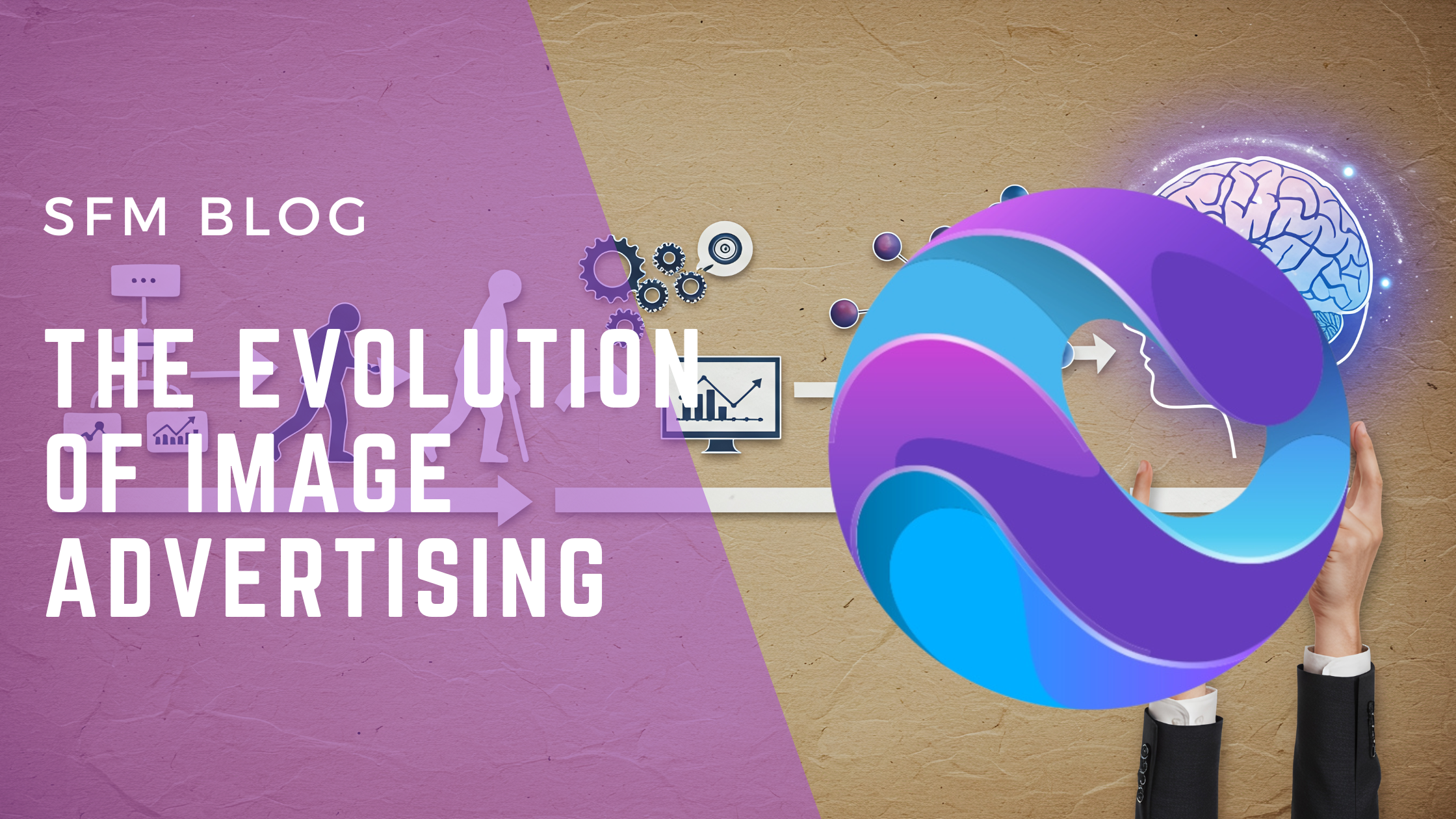
The Evolution of Image Advertising: From Print to Social Media Lead Generation
From hand-painted posters on brick walls to AI-generated social media ads, image advertising has undergone a complete transformation.
The visual language of marketing has evolved in step with technology, audience behaviour, and the platforms where attention lives.
At SFM Marketing, we believe understanding this evolution is key to mastering modern lead generation — because every image tells a story, and every story can spark a conversion.
The Early Days: Print, Billboards and Static Visuals
In the beginning, advertising was simple and tangible. Painted shop signs, posters, billboards, and magazine pages were the primary ways brands communicated visually. These early image ads were designed to catch the eye of passers-by, relying on creativity and design rather than data or targeting.
Their success was measured in broad strokes — foot traffic, magazine circulation or word of mouth — with little insight into who was actually paying attention. Yet these visuals laid the foundation for everything that came next: the idea that a single image could influence perception and drive action.
The Digital Revolution: Banner Ads and Early Online Imagery
The rise of the internet in the 1990s brought the first digital image advertisements — the now-iconic banner ad. These small rectangles of colour and text, scattered across early web pages, marked the first time advertisers could track engagement through metrics like click-through rates.
While early designs were often clunky or intrusive, they represented a major leap forward. For the first time, advertising became measurable, and visuals could be delivered directly to screens rather than printed on paper.
As the web evolved, so did image advertising. Pop-ups, sidebar placements and rich media ads emerged, giving marketers new ways to experiment with creativity and placement. Despite their rough edges, these early digital ads introduced a key shift — the blending of visuals, data and intent.
Smarter Ads: Context and Relevance
As users became more selective and “banner blindness” took hold, advertisers realised they needed to make visuals more relevant. This led to innovations like in-image advertising — embedding promotional content within or alongside related imagery on a webpage.
By aligning ads with the surrounding context, marketers could recapture attention in a more natural, less disruptive way. The goal was no longer just to be seen, but to fit seamlessly into the environment where audiences already were.
The Social Media Era: Native Image Ads and Engagement
The explosion of social media platforms in the 2000s changed everything. Sites like Facebook, Instagram and later TikTok transformed advertising into an interactive, visual-first experience. Brands could publish image-based content that felt organic — blending paid promotion with everyday posts.
These so-called “native ads” looked and behaved like normal feed content, making them more engaging and less intrusive.
Social media also introduced something the billboard era could only dream of: precision targeting. Marketers could choose exactly who saw their images, when, and in what context. And the feedback was instant — likes, shares, comments and clicks all provided real-time insight into what worked.
From Attention to Action: Image Ads as Lead Generators
As platforms matured, image advertising evolved beyond awareness. It became a direct path to conversion. Facebook, LinkedIn and Instagram began offering image ads with built-in lead generation forms, allowing users to register interest, sign up or request a quote without ever leaving the platform.
These formats turned the traditional marketing funnel on its head — compressing the journey from “seeing” to “signing up” into a single, frictionless step.
For businesses, this meant visuals were no longer just storytelling tools; they were performance assets. A well-designed image could now capture attention and collect data in one move — transforming curiosity into measurable leads.
The AI Revolution: Automation and Personalisation
Today, we’re in the midst of another dramatic shift. Artificial intelligence is reshaping how image ads are created, tested and optimised. Platforms like Meta are already using AI to generate image variations, test creative combinations, and even write ad copy automatically.
By 2026, experts predict much of the ad creation process will be fully automated — with marketers providing only the product, audience and goals, while AI handles the rest.
This new era of image advertising blends art and algorithm like never before. Machine learning can now predict which images will perform best, and automatically adapt campaigns in real time based on performance data. What began as static print ads a century ago has now become a living, evolving system powered by data and design.
What This Means for Modern Marketers
The story of image advertising is one of constant adaptation. Creativity remains essential, but data now drives every decision. Campaigns that once took weeks to plan can now be launched, tested and refined in a single afternoon. Visuals must not only capture attention — they must convert it.
At SFM Marketing, we combine this creative heritage with cutting-edge digital tools to deliver results that matter. We design image-led campaigns that feel natural to the viewer yet engineered for performance — campaigns that build trust, boost engagement and generate qualified leads.
By integrating platform-native lead forms, AI-based testing and continuous optimisation, we help businesses turn every impression into an opportunity.
From painted posters to precision-targeted social media ads, the evolution of image advertising tells a story of innovation and connection. Each stage — print, digital, social and now AI-powered — has brought us closer to understanding how people respond to visuals.
At SFM Marketing, we harness that understanding to create image-led campaigns that not only look great but perform brilliantly. Because in the end, the best advertising doesn’t just get noticed — it gets results.
Contact SFM Marketing today—and let us help you create eye-catching imagery and social media campaigns for your business